

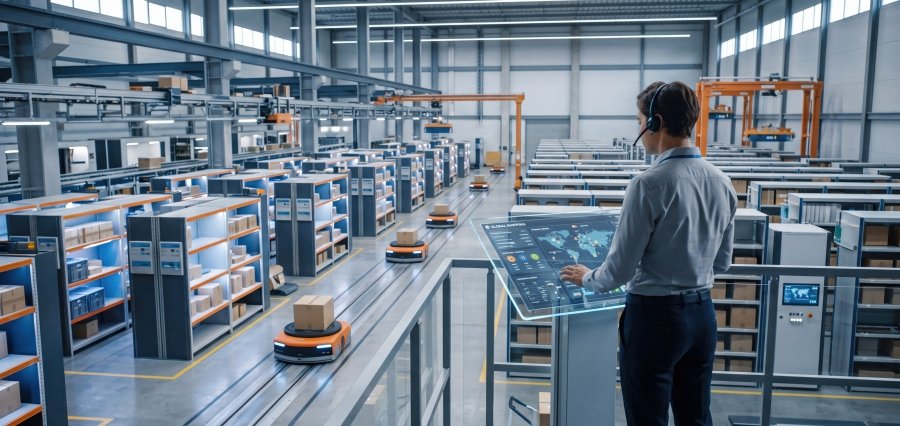
The landscape of global commerce is currently undergoing a radical metamorphosis driven by the relentless pace of technological advancement. For decades, the movement of goods relied on manual coordination and legacy software that often struggled to keep up with the demands of a hyper-connected world. Today, we are witnessing a pivot where logistics innovation is no longer a luxury but a fundamental necessity for survival. This shift is characterized by a move away from reactive troubleshooting toward a proactive, data-driven methodology. The integration of high-level intelligence into every node of the supply chain is redefining efficiency and setting new benchmarks for speed and reliability.
The Rise of Intelligent Infrastructure
The foundation of modern trade is being rebuilt through the implementation of automated logistics systems that handle everything from inventory management to high-speed sorting. These frameworks utilize a combination of sophisticated robotics and real-time data analytics to ensure that human error is minimized. In a traditional warehouse environment, the margin for error in picking and packing can lead to significant financial losses and customer dissatisfaction. By contrast, an automated facility utilizes sensors and synchronized machinery to achieve near-perfect accuracy. This level of precision is essential in an era where consumers expect next-day or even same-day delivery as a standard service.
Furthermore, the physical architecture of fulfillment centers is evolving. We are seeing the rise of dark warehouses—facilities that operate with minimal lighting and climate control because they are populated almost entirely by machines. This specific brand of logistics innovation reduces overhead costs and allows businesses to scale their operations without a proportional increase in labor expenses. As these technologies become more accessible, even small and medium-sized enterprises are finding ways to incorporate mechanical assistance into their workflows, leveling the playing field against industry giants.
Data as the New Logistics Currency
Beyond the physical movement of pallets and parcels, the true power of automated logistics systems lies in their ability to process vast quantities of information. Every shipment generates a digital footprint, and the ability to interpret this data is what separates market leaders from their competitors. Predictive analytics can now forecast demand spikes before they happen, allowing companies to position inventory closer to the end consumer. This proactive approach reduces the “last mile” friction that has historically been the most expensive and time-consuming part of the delivery process.
This shift toward a digital-first mindset is a hallmark of logistics innovation, where software acts as the central nervous system of the operation. By utilizing machine learning algorithms, companies can optimize delivery routes in real-time, accounting for traffic patterns, weather conditions, and even fuel consumption. This not only improves the bottom line but also contributes to more sustainable practices by reducing the carbon footprint of each delivery. The transparency provided by these digital tools also enhances trust between partners, as every stakeholder has a clear view of the product’s journey from the factory floor to the customer’s doorstep.
Robotics and the Human-Machine Partnership
There is a common misconception that the introduction of automated logistics systems implies the total displacement of human workers. In reality, the most successful implementations focus on augmentation rather than replacement. Collaborative robots, or “cobots,” are designed to work alongside people, taking over repetitive, strenuous, or dangerous tasks while leaving complex problem-solving to human intuition. This synergy allows for a more flexible workforce that can adapt to the seasonal fluctuations inherent in retail and manufacturing.
Logistics innovation in the realm of robotics also extends to the use of autonomous ground vehicles and drones. While still navigating regulatory hurdles in many regions, these technologies represent the frontier of distribution. They offer a glimpse into a future where the constraints of traditional transportation—such as driver shortages and mandatory rest periods—are significantly mitigated. By offloading the mechanical aspects of moving goods to specialized hardware, human capital can be redirected toward strategic planning, customer relations, and further technological development, fostering a culture of continuous improvement.
A Forward-Looking Perspective on Distribution
As we peer into the near future, the convergence of various emerging technologies suggests that the industry is only at the beginning of its journey. The potential for blockchain to secure ledgers or for the Internet of Things to provide granular visibility into the condition of perishable goods is immense. These advancements are all interconnected components of a larger movement toward a seamless, self-healing supply chain. The commitment to logistics innovation ensures that the infrastructure supporting our global economy remains resilient in the face of unforeseen disruptions.
Embracing automated logistics systems is a long-term investment in the agility of a business. Those who view these changes as temporary trends risk being left behind by a market that moves faster every day. The focus is shifting toward creating a “frictionless” experience, where the complexity of the back-end operation is entirely invisible to the end user. This invisible efficiency is the ultimate goal of modern engineering, ensuring that the world stays moving without a hitch.
Future Horizons and Sustained Growth
The evolution of the supply chain is a continuous narrative of overcoming limitations. By prioritizing the integration of smart technology and lean processes, the industry is preparing itself for a future defined by volatility and high expectations. The ongoing development of automated logistics systems provides the structural integrity needed to support global growth, while the spirit of logistics innovation provides the creative spark to solve tomorrow’s challenges. As we move forward, the emphasis will remain on creating systems that are not only faster and cheaper but also more intelligent and adaptable to the needs of a changing planet.