
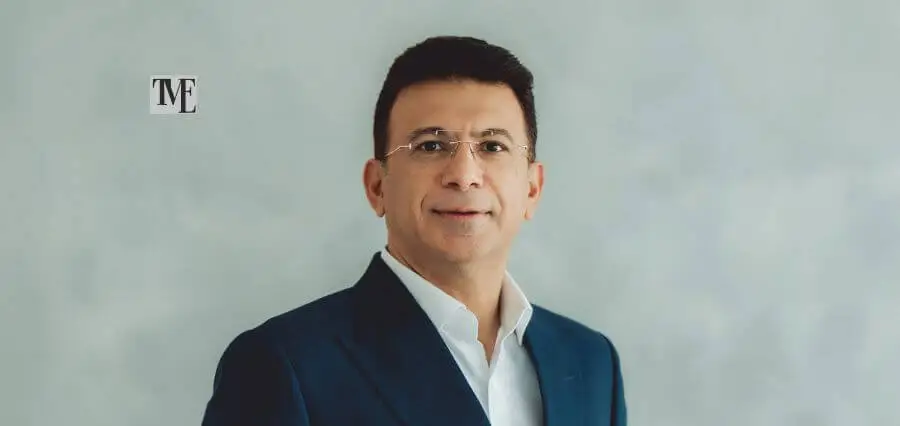
The body sends various signals that may not always be immediately apparent. Understanding these signals requires a physician to look beyond the obvious signs and explore what may be behind a patient’s symptoms. A patient may visit a doctor for a single concern, which could be as simple as feeling tired. For Dr. Sajid Burud, however, fatigue may be only the tip of the iceberg. He seeks to understand what may be causing the symptom and identify the underlying factors contributing to it. Fatigue, for example, may be associated with thyroid dysfunction, blood sugar levels, digestive health, or inadequate sleep.
This principle guides his approach to leadership as Founding Director of Transcend Healthcare, an innovative company specializing in integrating longevity practice and protocol in medicine and established by building the bridge between clinical care and longevity. He makes decisions carefully, drawing on thorough observation and understanding. “I lead the way I was taught to practice medicine: you listen first and examine properly,” he says. This approach allows him to understand a situation fully before making a decision.
Beyond Reactive Care
Dr. Sajid began his career in hospital medicine, where he focused on treating illness after it appeared. His transition into longevity medicine changed his perspective on healthcare. Instead of asking, “What is wrong today?” he began asking what might be developing quietly and could become a serious health issue years later.
This approach also shaped how he works with colleagues. He pays close attention to early signs of concern, much like a doctor monitors biomarkers in a blood test. When a team member suddenly becomes quiet during meetings, he takes notice. “I would much rather notice that a colleague has gone quiet than find out six months later that they’ve resigned,” he says.
This philosophy reflects a broader view of healthcare. He believes much of the system focuses on responding after problems occur rather than preventing them. Longevity medicine takes a more proactive approach by identifying risks early and addressing them before they become serious. “I want to help people build and maintain their health throughout their lives, rather than wait until illness demands attention,” he says.
Three Ideas Shaping Leadership
For Dr. Sajid, three principles guide difficult decisions. Each one reflects his approach to longevity medicine. The first is a commitment to offering only treatments he can support with confidence. Longevity medicine often attracts bold claims. Peptides, stem cells, and popular supplements can come with strong promises. Some show potential, while others have limited evidence. At Transcend Healthcare, clinicians explain the available evidence clearly. When research is limited, they tell patients.
The second principle is based on physiology. The body works as an interconnected system. He considers metabolism, gut health, hormones, and overall vitality together. He applies the same thinking to business. When clinical teams, commercial teams, and educators stop communicating, he believes problems can develop quietly. “I see the body as an interconnected system, where metabolism, hormones, gut health, and overall vitality work together,” he says.
The third principle is patience. His work focuses on helping people live healthier lives for longer. He believes the same long-term thinking should guide the growth of a business. He prefers steady growth over rapid expansion that may not last.
Trust Built on Clarity
In his experience, trust does not come from popularity. It comes from clarity. Dr. Sajid finds that people are more willing to accept a difficult decision when they understand how it was reached. Even when they disagree with an outcome, they can respect a clear and honest process.
He explains his reasoning openly. When a patient requests a treatment that he considers inappropriate, he explains why and identifies the evidence that could change his view. He follows the same approach with his team. This process may take more time, but it ensures that decisions are based on clear reasoning rather than authority alone.
He also places value on acknowledging uncertainty. Medical training can encourage doctors to speak with confidence, but patients and colleagues can quickly recognize when that confidence is not supported by knowledge. He prefers to acknowledge when research is still developing and explain how the team will monitor new evidence. This approach builds greater trust than false certainty.
Empathy and Meaningful Teaching
Dr. Sajid defines empathy as careful attention rather than simple kindness. A clinician needs to understand what concerns a patient, what is happening at home, and what the patient truly needs. These needs may differ from what the patient says directly.
He applies the same approach to managing his team. Some team members need regular guidance, while others work better with more independence. He takes time to understand these differences. At the same time, he maintains high standards. Understanding someone does not mean lowering expectations. “The kindest thing you can do for a young doctor is to hold them to a high standard while helping them achieve it,” he says.
Teaching is also an important part of his work. He trains physicians in hormone and peptide protocols and helps colleagues work through complex cases. During these sessions, he explains the reasoning behind each decision, not just the instruction. Protocols can change over time, but a clinician who understands the underlying logic can make sound decisions when faced with unfamiliar cases.
Challenging Norms With Purpose
Longevity medicine often challenges traditional approaches, and Dr. Sajid welcomes new ideas. However, he approaches change with caution. He has seen unconventional thinking become an excuse for practices that lack value or evidence.
He uses two questions to assess every new idea: Is it new? And is it true? He points out that these questions are different. Exploring a new approach can be reasonable even when evidence is still developing. The key is to remain transparent about what is known and what is not, both with the team and with patients.
He also encourages junior colleagues to share different perspectives. Younger clinicians may question assumptions that experienced professionals have accepted for years. When he faces a difficult case, he also looks at it from different angles. For example, a patient’s fatigue may appear differently when he considers factors such as mitochondrial function or gut health instead of focusing only on the symptoms.
Advancing Care Through Technology
Technology has transformed Dr. Sajid’s profession. A decade ago, many of the tools he uses today were not widely available. These include detailed metabolic panels, continuous glucose monitoring, and sleep and heart rate data from wearable devices. He sees great potential in these tools, but he also recognizes the risk of having too much information.
Patients often arrive with more health data than they can understand. They do not always need more numbers. They need clear guidance on what matters, what does not, and what to do next. The role of a doctor is therefore changing. It is moving from simply providing information to helping patients understand and use it effectively. “I use technology to help patients understand what matters, not simply to give them more data,” he says.
Technology has also expanded his reach. Online teaching, international collaboration, and his YouTube channel allow him to connect with people he might never meet in person. He views this reach as a responsibility. Communicating with thousands of people requires a strong commitment to accuracy and clear information.
Evidence With Careful Judgment
Medicine often involves working with evolving evidence and a degree of uncertainty. Dr. Sajid says this experience has prepared him for the uncertainty that also comes with running a business. Doctors often have to make decisions even when all the information is not available.
He considers two main factors when making a decision: the strength of the evidence and the level of risk. When a treatment is well supported by evidence and carries low risk, he moves forward with confidence. When a treatment is new or less certain, he takes more time, monitors the results closely, and sets clear conditions for when to stop.
He applies the same approach to business decisions. Before entering a new partnership, launching a program, or introducing a new protocol, he considers what the team knows, what it assumes, and how quickly it can identify a mistake. This approach helps him make informed decisions while managing uncertainty.
Empowering Through Delegation
Dr. Sajid’s most important leadership lesson emerged as he transitioned from practicing critical care medicine to leading a company as its founder, while continuing to practice as a general internal medicine specialist. Patients often turn to doctors for answers, and he became comfortable taking that role. He carried the same approach into Transcend Healthcare. For a time, he personally oversaw most major decisions, including clinical protocols, partnerships, education, and branding.
The approach worked until it became a limitation. He realized that he had become a bottleneck for the company. The company’s progress depended heavily on his ability to make timely decisions, while the constant demands placed a significant strain on him.
Delegating responsibilities was not easy. He developed clear systems, documented processes, and gave colleagues the authority to make decisions independently. At times, they made choices that differed from his own. He accepted those differences. In some cases, their decisions produced better results. Today, he measures his leadership less by what he can accomplish personally and more by what his team can achieve without him. “I measure my leadership by what my team can achieve when I am not in the room,” he says.
Impactful Milestones
When asked about his proudest achievement, Dr. Sajid does not point to a single result or milestone. He points to the doctors he has trained and worked with, and to the thoughtful approach they have developed in their practice. His goal has been to promote a thoughtful approach to care rather than focus solely on specific protocols. This approach involves considering the whole person, presenting evidence honestly, and avoiding exaggerated claims.
He sees the impact in small but meaningful moments. When a physician he has taught tells a patient, “This looks promising, but here is what we still do not know,” he sees his approach being carried forward. For him, this shows that the standards he promotes can continue even without his direct involvement.
This same standard shapes Transcend Healthcare. He describes the organization as physician-driven, evidence-based, with strong clinical expertise behind every protocol.
The Legacy Ahead
Beyond titles and professional responsibilities, Dr. Sajid aims to contribute to a broader shift in medicine from treating illness to preventing it. His vision is to promote a more proactive approach to health, where people focus on building and maintaining their well-being throughout their lives rather than addressing health concerns only after they arise.
On a personal level, he hopes his colleagues understand that integrity and ambition can exist together. A person can build a successful medical practice while remaining honest with patients. In a field often filled with bold promises, he wants to be remembered as someone people could trust.
He also has a clear vision for the lasting legacy of Transcend Healthcare. He wants the company to be remembered for helping people live longer and healthier lives while remaining honest and transparent throughout the process.