

Prime Highlights
- Mete led EPC design management on the 1915 Canakkale Suspension Bridge, the world’s longest main-span suspension bridge.
- He most recently led a 170-person engineering unit in Saudi Arabia, overseeing more than 35 projects.
Key Facts
- WSP appoints Dincer Mete as Director of Infrastructure, Middle East, based in Riyadh.
- Mete previously worked at WSP between 2012 and 2017, including on the Eurasia Tunnel Project in Istanbul.
Background
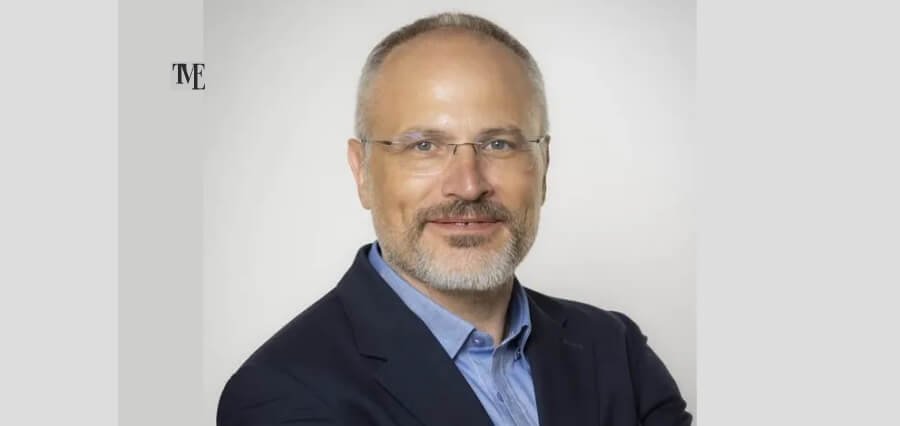
WSP has appointed Dincer Mete as Director of Infrastructure for the Middle East. Based in Riyadh, he will support the growth and delivery of WSP’s Transport and Infrastructure business across the region, including major national programmes in Saudi Arabia.
Mete brings 25 years of international experience across infrastructure, transportation, engineering and EPC programmes, with a strong record delivering large-scale projects across Saudi Arabia, Turkiye, Europe and Africa.
His appointment marks a return to WSP, where he worked between 2012 and 2017, including as Design Interface Manager on the Eurasia Tunnel Project beneath the Bosphorus in Istanbul.
Since leaving WSP, Mete has held senior roles across major programmes in Turkiye and Saudi Arabia, including the 1915 Canakkale Suspension Bridge, the world’s longest main-span suspension bridge, where he led EPC design management through its fast-track delivery.
Most recently, he led a 170-person engineering unit in Saudi Arabia, overseeing more than 35 projects. In his new role, he will support delivery of WSP’s infrastructure portfolio and strengthen client relationships across the Middle East.
Mete said he was pleased to return to WSP and looks forward to working with colleagues and partners to deliver infrastructure programmes for the region.
Alan Caldwell, Managing Director for Transport and Infrastructure at WSP Middle East, said Mete brings deep infrastructure experience and strengthens the firm’s regional business.
WSP operates in more than 50 countries, employing around 83,000 people, including over 2,700 across the Middle East.