

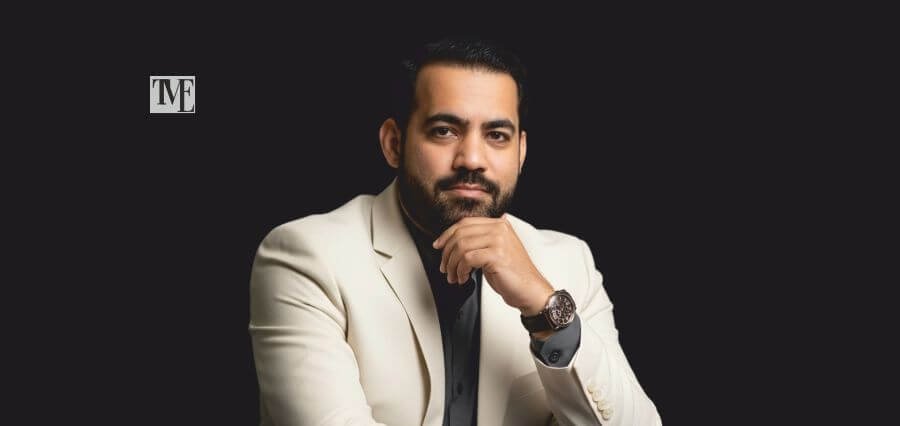
In a world where uncertainty frequently determines the result of even the most ambitious, Usman Islam stands out as a rare type of leader who is turning risk into a road plan for success. His path to risk leadership began not with corporate boardrooms or analytical models, but with an insatiable curiosity in why complex systems succeed and fail. These early insights sparked a lifelong search for clarity, foresight, and purpose, which now defines his work as Senior Risk Manager at KBR Inc.
Over time, he is becoming one of the region’s most trusted voices in strategic risk management, driving multibillion-dollar undertakings that define skylines and legacies alike. His philosophy centers on viewing risk as a catalyst for resilience and informed decision-making, ensuring sustainable value creation rather than mere avoidance. By embedding proactive risk controls into every stage of development, he transforms uncertainty into structured foresight. Whether navigating complex project ecosystems or harmonizing modern development with cultural preservation, he integrates analytical rigor with strategic adaptability to safeguard outcomes and enhance stakeholder confidence.
According to him, leadership is less about authority and more about accountability to others, purpose, and the possibility of transformation. This conviction has continued to shape his journey, transforming uncertainty into opportunity and strategy into legacy.
The Making of a Risk Visionary
Usman Islam’s path to risk leadership began not with spreadsheets or probability models, but with a fundamental drive to understand why projects succeed or fail. From an early age, he found himself captivated by the mechanics of decision-making under uncertainty, a fascination that would eventually define his professional calling.
Early mentors instilled in him the critical importance of resilience, integrity, and strategic thinking. But theory met reality when he witnessed firsthand how unmanaged risks could derail even the most promising projects. These experiences ignited his passion for building robust frameworks that transform uncertainty from obstacle into opportunity.
“Those early lessons taught me to question assumptions and seek clarity. Later, working alongside visionary leaders in complex environments reinforced something crucial: a proactive risk culture isn’t just a safeguard. It drives innovation and confidence,” he reflects.
This philosophy shapes his conviction that leadership in risk management demands foresight, collaboration, and the ability to empower teams toward informed decisions that generate sustainable impact.
The Billion-Dollar Turning Point
The defining moment arrived when Usman Islam received responsibility for risk oversight on a multi-billion-dollar mixed-use development. Standing before that room of executives, he grasped the weight of influence his analysis carried. His recommendations would shape skylines, communities, and lives for decades to come.
The experience proved transformative, instilling both profound responsibility and necessary humility. Usman Islam committed himself to mastering predictive analytics and scenario planning, ensuring every recommendation would empower stakeholders to act with confidence rather than hesitation.
“From that point forward, I saw risk leadership as a catalyst for progress, not a constraint,” he explains. The insight fundamentally altered his approach to discipline, elevating it from technical exercise to strategic enabler.
Building Expertise Through Relentless Learning
Usman Islam’s credentials tell one story, over 20 international certifications spanning the breadth of risk management and leadership. But the numbers reveal only part of the narrative. Behind each milestone lies an unwavering commitment to growth and adaptability.
“Certifications are markers along the path, but the real driver has always been my commitment to evolution. Excellence in risk leadership demands curiosity that push you to keep learning even when it’s uncomfortable,” he notes.
He approaches learning with structured discipline, treating it as a daily practice rather than occasional task. Three core values anchor his pursuit of knowledge: integrity, accountability, and innovation. Each value guides him towards expertise that delivers tangible value to projects and teams, not merely credentials for their own sake.
“Continuous learning isn’t about collecting certificates. It’s about staying ahead of complexity and enabling informed decisions that shape the future,” he emphasizes.
Safeguarding Heritage, Enabling Vision
Working on Diriyah II represents more than another line on Islam’s resume, it stands as both professional honor and personal privilege. The project transcends typical development parameters, functioning as a living narrative of heritage, culture, and national identity.
“Being part of a project that celebrates Saudi Arabia’s heritage while advancing Vision 2030 is an honor. It reminds me that risk management isn’t only about numbers. It’s about protecting legacies and enabling visionary ambitions without compromise,” he says
Every decision carries cultural weight, a responsibility that drives him toward excellence. For him, Diriyah II proves that modern innovation and timeless heritage can coexist, with risk leadership serving as the bridge that makes this synthesis possible.
The Human Element in Technical Decisions
Behind the staggering scale of giga projects lie human aspirations, families, communities, visions for better futures. Usman Islam maintains emotional connection to these stories while navigating complex technical and financial risks.
“These developments aren’t just concrete and steel. They’re catalysts for opportunity and cultural pride,” he insists
He engages regularly with stakeholders, listening to their stories and understanding impact beyond financial metrics. This perspective shapes his approach to risk as a responsibility to safeguard dreams and heritage, not merely a technical exercise.
“Balancing analytics with empathy ensure that decisions honor both progress and people. Leadership in risk is about building trust and creating environments where human stories thrive alongside innovation,” he explains.
When Intuition Guides Data
During a critical design stage on a major infrastructure project, data models indicated minimal schedule risk. Yet something didn’t align. Usman Islam’s intuition, honed through years of observing project dynamics, sensed early misalignment between design intent and feasibility.
Despite initial resistance, he pushed for deeper review. His instinct uncovered several gaps that, left unchecked, could have delayed delivery by months.
“While data informs decisions, intuition refines them. True risk leadership lies in balancing analytics with human insight, seeing beyond the numbers to sense emerging issues before they escalate,” he observes.
The experience reinforced his belief that intuition, when grounded in experience and integrity, ranks among a leader’s most valuable tools.
Leading with Purpose, Not Position
Usman Islam aspires to inspire confidence rather than exercise control. For his teams, this means creating environments where innovation thrives and every voice matters, because risk leadership functions as collective strength, not solo performance.
“I want my teams and young professionals to view risk management not as bureaucracy, but as a mindset, one that turns uncertainty into opportunity,” he says.
He leads with authenticity, empathy, and purpose, ensuring every individual recognizes their contribution’s significance. Recognition and awards carry meaning, but he measures true success by the number of future leaders he helps cultivate.
His goal centers on building a culture of trust, curiosity, and continuous learning, where people don’t merely manage risks but shape the future with courage and conviction.
Making the Invisible Visible
Risk management often occupies the background, yet Usman Islam reframes its significance for his teams with clarity: “Risk management is not behind the scenes. It’s behind every successful decision.”
He connects their work to tangible outcomes: every risk mitigated protects billions in investment, accelerates Saudi Vision 2030 goals, and safeguards cultural legacies. Through regular storytelling, celebrating victories, and demonstrating how their insights influence boardroom decisions, he makes pride tangible.
“When people see that their expertise shapes skylines and communities, they realize risk leadership is not invisible. It’s the backbone of transformation,” he says
Living by Timeless Principles
The most meaningful advice Usman Islam ever received came early in his career: “Lead from purpose, not position.” The guidance taught him that real influence stems not from authority but from clarity of vision and consistency of action.
“I focus on earning trust through integrity, transparency, and delivering value, not titles or hierarchy,” he explains. He encourages teams not to wait for promotions to lead, but to start by owning their space, decisions, and impact.
This principle keeps him grounded in high-stakes environments, reminding him that humility and accountability form the strongest foundations of enduring leadership.
Balance as Non-Negotiable
Managing programs worth $250 billion across multiple countries demands intensity, but Usman Islam treats balance as essential rather than optional. He stays grounded by prioritizing five elements: family, fitness, traveling, reading, and reflection.
Time with loved ones reminds him of his deeper purpose. Physical activity morning runs or gym sessions maintains his energy and focus. He carves out moments for reflection through reading or journaling to reset perspective.
“I practice intentional boundaries. When I’m off work, I’m fully present. This discipline ensures that while I lead with intensity at work, I live with clarity outside it,” he notes
Integrity as Differentiator
In an industry driven by deadlines and numbers, Usman Islam anchors decisions to transparency, accountability, and stakeholder trust. His guiding principle remains simple: do the right thing, even when no one watches.
“Short-term gains can never outweigh long-term reputation,” he states firmly. When faced with ethical dilemmas, he focuses on clarity, if a decision doesn’t align with purpose or project integrity, it’s not worth pursuing.
“Upholding ethics isn’t a constraint; it’s a differentiator. It allows us to lead with confidence, earn respect, and deliver outcomes that stand the test of time,” he insists.
A Legacy Beyond Metrics
Decades from now, Usman Islam hopes his work will be remembered not just for delivering giga projects, but for shaping communities with purpose. Beyond metrics, he wants to leave a legacy of trust, where people feel their heritage was honored and their future secured.
“If families can walk through spaces we help build and feel a sense of belonging, that’s impact. Saudi Vision 2030 is more than a national plan, it’s a human story,” he says.
His goal ensures risk leadership becomes a force for progress that protects values while enabling transformation. In Usman Islam’s vision, the true measure of success lies not in the scale of developments managed, but in the opportunities created, cultural pride fostered, and generations inspired to dream bigger.
For a leader navigating the complexities of the Middle East’s most ambitious projects, In high-stakes environments, human insight paired with risk intelligence is the ultimate delivery advantage.