

The hospitality industry in the Middle East is among the most competitive in the world. Since millions of tourists visit the region each year, success is achieved solely through innovation and excellence. Excellent leaders must be able to navigate complex cultural politics while offering top-notch experience that is on par with global norms. The luxury market is as complex as ever, and it needs entrepreneurs who understand both business principles and interpersonal dynamics.
Technical proficiency is only one aspect of success. Leaders must be financially literate, culturally aware, and capable of inspiring diverse teams with a wide range of nationalities. Expectations from guests are at all-time highs, and operational issues must be resolved quickly. Visionary executives take the stage here, redesigning the company’s processes and bringing in creative ideas that transform businesses and motivate next professionals.
A Journey of Unexpected Discovery
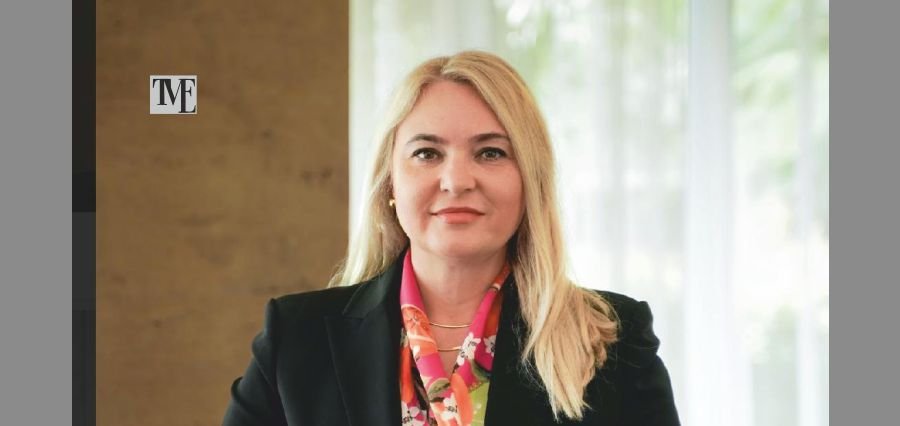
Raluca Tuturman serves as Director of Business Development and has earned recognition as one of the Middle East’s most influential hospitality leaders. Her career trajectory represents an unconventional path that led to extraordinary success in luxury hospitality management.
Her professional journey began far from the hospitality sector. She initially built her career foundation in banking, stock exchange operations, and real estate management. These early experiences provided her with robust financial expertise and analytical skills that would later prove invaluable in hospitality leadership. She developed proficiency in financial modeling, market analysis, and strategic planning during these formative years.
The transition to hospitality occurred during a global financial crisis when banking and real estate sectors faced significant challenges. A chance meeting resulted in a job offer within the hospitality sector. Tuturman accepted the position primarily as a challenge, initially viewing it as temporary before returning to her previous industry. However, this assignment became a defining career moment.
She encountered passionate leaders who introduced her to a different perspective on business operations and luxury hospitality standards. Working in Dubai during this period proved transformative, as the city’s dynamic environment provided ideal conditions for professional evolution. Tuturman discovered that luxury hospitality encompasses comprehensive lifestyle experiences and emotional guest connections. This revelation sparked a passion that transformed a one-year commitment into a lifelong career dedication.
Leadership Philosophy and Approach
Her leadership philosophy centers on empowerment rather than micromanagement. She believes effective leaders must remain visible and accessible, spending time directly observing operations rather than directing from executive offices. This hands-on approach allows her to understand how service delivery actually functions at ground level.
Tuturman prioritizes listening to both guests and frontline team members. She believes that these interactions provide crucial insights into operational effectiveness. Her strategy involves identifying and removing obstacles that prevent staff members from performing confidently and efficiently. By eliminating these barriers, she enables teams to respond effectively to challenges and opportunities.
Her financial background provides significant advantages in hospitality management. She demonstrates fluency with key performance indicators including RevPAR, NPS scores, and occupancy trends. This expertise enables data-driven decision making and strategic planning. Additionally, she maintains awareness of political and economic developments, along with source market trends, allowing for timely and risk-aware business decisions.
Cultural intelligence forms a central component of Tuturman’s leadership approach. She recognizes that luxury experiences must be tailored for diverse guest profiles while maintaining consistent brand standards. This balance requires a deep understanding of various cultural preferences and expectations. She invests heavily in staff training, establishing clear operational guidelines while empowering employees to solve problems independently.
Her leadership results in resilient teams capable of delivering exceptional guest experiences consistently. This approach generates sustained business growth and develops emerging talent through active mentoring programs.
Balancing Business Strategy with Human Connections
Tuturman views hospitality’s business and human elements as fundamentally inseparable. Her approach demonstrates that commercial strategy succeeds only when human connections provide the foundation for sustainable relationships. She aligns commercial key performance indicators such as RevPAR, GOPPAR, and RGI with guest-focused metrics, including NPS scores and retention rates.
Her strategy incorporates these metrics directly into team objectives, ensuring that business goals support positive guest experiences. She actively seeks feedback through multiple channels, including guest reviews, customer relationship management insights, and mystery shopping programs. This feedback informs strategic decisions and ensures that business approaches remain grounded in actual guest experiences.
Training and knowledge sharing play crucial roles in Tuturman’s methodology. She emphasizes continuous communication with team members, recognizing that informed employees deliver superior service quality. For guest relations, she employs data analysis to personalize experiences while maintaining brand commitments and standards.
Her pricing and upselling strategies focus on value creation rather than simple yield optimization. This approach builds sustainable revenue growth through developing new markets, encouraging repeat business, strengthening guest relationships, and maintaining motivated team dynamics.
Innovation and Agility in Fast-Moving Markets
She treats agility and innovation as fundamental operating principles rather than occasional initiatives. Her approach allocates resources to both long-term strategic projects and rapid pilot programs. She tests concepts within single properties, measuring revenue impact, NPS improvements, and operational effects before broader implementation.
Tuturman’s innovation strategy includes staying current with trends from other industries and adapting relevant concepts for hospitality applications. She advocates for regular trend briefings, partnerships with vendors, and maintaining dedicated innovation funding to reduce experimental risks.
She promotes calculated risk-taking within her teams while capturing frontline insights through structured feedback channels. Learning sessions and talent rotation programs encourage fresh perspectives and creative problem-solving approaches. She connects innovation key performance indicators directly to performance reviews and celebrates successful initiatives publicly.
Her recruitment philosophy emphasizes that hospitality represents a marathon career driven by genuine passion. She seeks professionals willing to work across different time zones, cultures, and expectation levels. She positions hospitality not merely as employment but as a transformative industry that rewards dedication and adaptability.
Navigating Cultural Dynamics as a Woman Leader
Tuturman’s experience as a woman leader in the Middle East has presented both significant challenges and unique opportunities. Moving from Europe to this region required considerable adjustment to understand cultural differences that extended far beyond her initial expectations. She worked within organizations employing colleagues from over fifty different countries, creating complex multicultural dynamics.
Her natural communication style, characterized by directness and straightforwardness, required adaptation to different cultural interpretations and expectations. Tuturman discovered that approaches considered normal in her background were perceived differently by colleagues from various cultural contexts. Cultural perceptions and existing biases sometimes limited her visibility or influence within certain situations.
These challenges motivated her to demonstrate excellence, credibility, and confidence through consistent performance and results. She invested time in listening to diverse perspectives, engaging with people from different backgrounds, experiencing various cuisines and cultural events, and travelling extensively to understand regional social dynamics better.
Throughout this process, she maintained commitment to her core values. She believes that leadership involves empowering others, fostering inclusion, and building trust across all relationships. She expresses gratitude for mentors who supported her during her university years and throughout her career development, encouraging her continued growth.
These experiences shaped her leadership style to become more empathetic, resilient, and collaborative. Tuturman strongly advocates for women supporting other women in professional advancement. Her approach promotes open communication, active mentoring, and creating inclusive environments where all team members feel valued and heard.
Building Cross-Cultural Teams and Collaboration
Tuturman’s approach to cultivating teamwork and cross-cultural understanding recognizes the complex diversity characteristic of Middle Eastern hospitality operations. Her work involves collaborating not only with immediate team members but also with international partners across different time zones and business cultures.
She engages with global partners in contract negotiations, discussing seasonality patterns, purchasing behaviors, cultural holidays, and regional business practices. This comprehensive understanding enables effective commercial leadership and team cohesion. Many team members work as expatriates without family support systems nearby, creating opportunities for workplace communities to function as extended families.
She demonstrates inclusive leadership through personal example, showing respect, openness, and appreciation for different cultural backgrounds and perspectives. She ensures team members participate in cultural competency workshops designed to deepen understanding of diverse backgrounds and working styles.
Her strategy emphasizes encouraging transparent communication, creating environments where everyone feels comfortable sharing perspectives and ideas. She celebrates cultural diversity through organized events and formal recognition programs that foster mutual respect and understanding.
Tuturman focuses on building diverse, cross-functional teams that learn from each other while working toward shared objectives. Her approach views diversity as an organizational strength that enhances teamwork, creativity, and service excellence when properly embraced and managed.
Integrating Sustainability and Wellness
Tuturman business development strategies integrate sustainability and guest experience as interconnected priorities rather than competing objectives. She recognizes wellness as an essential component, noting that brands increasingly incorporate wellness programs into both guest experiences and employee culture initiatives.
Her sustainability approach focuses on sourcing eco-friendly suppliers and implementing initiatives that reduce operational costs while meeting growing demand for environmentally responsible hospitality practices. She prioritizes transparent communication about sustainability efforts, which resonates with environmentally conscious guests and creates shared purpose.
Tuturman advocates for offering locally sourced, sustainable food options and promoting eco-tourism opportunities that incorporate local culture and heritage. These initiatives enhance guest satisfaction while reinforcing organizational commitment to responsibility and community support.
Her strategy includes engaging guests through educational activities about sustainability practices, fostering deeper connections and loyalty. This approach transforms guests into active participants in sustainability efforts rather than passive recipients of services. She believes integrating these elements creates compelling, authentic brand narratives that benefit both environmental goals and guest experience quality.
Crisis Leadership and Strategic Thinking
Her leadership approach during crises emphasizes maintaining calm and clarity to enable effective decision-making. She believes that staying composed allows for accurate situation assessment and strategic reconsideration when circumstances demand rapid responses.
Her crisis management strategy prioritizes considering multiple scenarios and conducting thoughtful risk assessment before making critical decisions. This methodical approach proves particularly valuable in hospitality, where rapid changes can significantly impact both operational efficiency and revenue generation.
She demonstrates adaptability and resilience as core leadership competencies, especially crucial in hospitality environments where external factors frequently influence business operations. Her calm and strategic approach enables effective team guidance through challenging periods while identifying opportunities for growth, innovation, and stronger market positioning.
Vision for Industry Legacy
Tuturman approaches her role with recognition of both the honour and responsibility involved in shaping regional hospitality development. Her aspiration involves leaving a legacy characterized by innovation, inclusivity, wellness, and sustainability principles that will guide future industry evolution.
She aims to inspire upcoming leaders to prioritize authentic guest experiences while embracing diversity and cultural understanding as fundamental business strengths. Her legacy goals include emphasizing wellness and team member well-being as essential components of successful hospitality operations.
She works toward fostering collaborative, ethical work environments that develop talented professionals who demonstrate confidence, resilience, and customer focus while supporting each other’s growth and success. Her sustainability advocacy aims to champion practices that benefit environmental goals while creating long-term value for businesses and communities.
Tuturman’s ultimate objective involves contributing to a resilient, forward-thinking industry that elevates the region’s reputation while providing meaningful opportunities for emerging leaders to build successful careers.
Guidance for Aspiring Leaders
Her advice for aspiring hospitality leaders emphasizes developing patience and deep cultural understanding as foundation skills for regional success. She advocates for flexibility and cultural sensitivity as essential tools for building strong professional relationships across diverse environments.
She encourages future leaders to focus on innovation and sustainability, recognizing these areas as increasingly important to guests, business partners, and long-term industry success. Her guidance includes leading by example and demonstrating the values and standards expected from team members.
She emphasizes continuous personal development through learning new skills, understanding market trends, and practicing empathy and resilience in daily operations. Her philosophy suggests that adaptability and commitment to excellence enable professionals to create positive and lasting impact in the Middle East and international markets.
Tuturman’s comprehensive approach to hospitality leadership demonstrates that success requires balancing multiple priorities while maintaining focus on human connections and authentic service delivery. Her journey from financial services to hospitality leadership illustrates how diverse professional backgrounds can contribute unique value to industry advancement and innovation.
Read Also: Middle East’s Most Influential Hospitality Leaders to Watch in 2025