The Middle East is a place that has been linked to grand hospitality, classic skylines and ambitious developments that challenges the limits of both architecture and service. Luxury hospitality is experiencing a greater transformation in 2026. The visionary leaders of the Gulf and Middle East are redefining the definition of the term luxury by placing emphasis not only on spectacle but also on purpose, cultural genuineness and individualized experiences that cater to a new generation of global travelers. This development is occurring in context of diversified economies, growth strategies that are based on tourism and an increase in competition due to the development of emerging luxury destinations across the world. Hospitality leaders are reacting to this by mixing local heritage with high-tech, sustainability and human centred design. What is obtained is a subtler definition of luxury, which focuses more on meaning, responsibility and emotional attachment in addition to comfort and exclusivity.
Redefining Luxury Through Culture
The emphasis on cultural narrative is also one of the largest changes that will influence the hospitality in the Middle East in 2026. In Saudi Arabia, United Arab Emirates and Qatar, leaders of the hospitality industry are incorporating local stories into guest experience, leaving imported luxury templates behind. The hotels and resorts have become a mirror of the regional art, architecture, cuisine and traditions, and it provides the customer with the sense of place that is both genuine and sophisticated. This strategy is apparent in the emergence of the destination driven developments that glorify the local landscapes and heritage. Desert resorts with an inspiration of the ancient trade routes and coastal resorts with an outlook to the ancient history of maritime trade, hospitality executives are marketing culture as a competitive luxury asset.
This cultural focus is also trickling down to talent development and the philosophy of operation at the leadership level. Instead of the outside interpretation of luxury, executives are giving power to local designers, chefs and storytellers so that luxury is articulated through the regional cultures. Such a transition increases authenticity and facilitates creative ecosystems in the area. Luxury hospitality in the Middle East is becoming pervasively characterized by a sense of self-confidence and the capability of expressing this to the world in a modern way in 2026.
Technology Driven Personalization
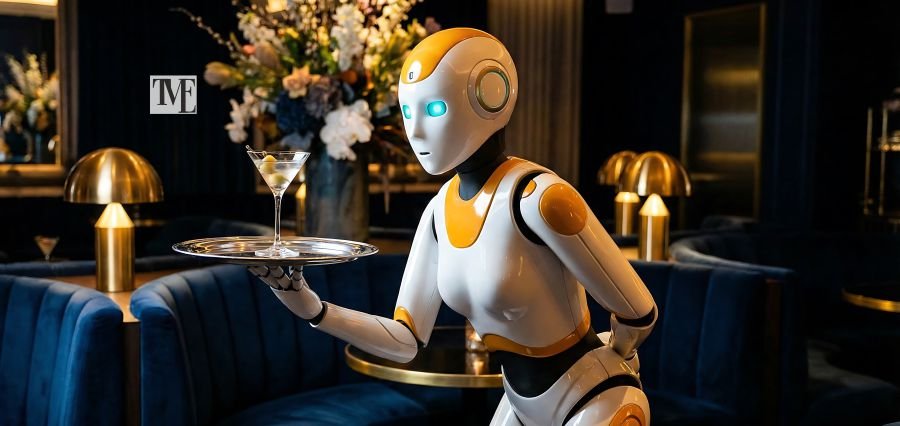
Technology has taken a key centre stage as luxury hospitality is re-defined in the Middle East. The leaders with a clear vision are implementing some of the most sophisticated digital technologies as undetectable source of comfort, productivity and customization. Artificial intelligence, data analytics and smart room systems are being employed to predict the preferences of guests and provide them with customized experience without violating privacy. Luxury guests demand an environment that is responsive to their schedules, including room experiences that customize automatically and bespoke experiences based on what has been achieved before and what interests them.
Hospitality executives are also investing in multi-faceted technology platforms that consolidate all guest data across properties and that are governed to the required standard. The focal point is formed at making the intuitive experiences that are effortless and discrete and the concept of luxury being anticipatory and not extravagant. Other than the guest room, technology is also transforming operations and service culture. Digital tools are enabling visionaries to boost staff productivity, training and engagement since human experience has been the focus of luxury. Through automation of routine processes teams are able to concentrate on meaningful guests’ touchpoints and high value service moments.
Sustainable and Responsible Luxury
Sustainability has ceased to be a support concept, it has become a luxury concept in the Middle East. Environmental and social responsibility has become part of long-term brand value and guest trust by visionary leaders. In 2026, the effort to create and manage luxury properties is being ensured by being a resource efficient, biodiversity conscious and community oriented. This change is caused by the regulatory frameworks and changing expectations of guests. The high net worth travellers are more aware of the environmental effects of their decision and desire to find brands that resonate with their values.
Measurable sustainability measures such as the use of renewable energy, water conservation mechanisms and responsible sourcing are being taken by hospitality leaders within the region. The social aspect of responsible luxury is also important. Visionaries are championing the employment of inclusivity, development of skills, and collaboration with the local communities. Hospitality leaders are strengthening their social license to operate by embedding social impact into their business models while enhancing the overall guest experience. Luxury in the Middle East has been characterized more by stewardship and purpose in 2026, which is a sign of mature leadership in the globalized world.
Conclusion
The hospitality leaders of the Middle East have redefined the concept of luxury in 2026 by taking a more considerate and values-based approach. Their approach to transforming the expectations of guests and creating a competitive environment in the industry is connecting the cultural authenticity into all touchpoints, leveraging technology to provide meaningful personalization, making sustainability the core of the strategy. This development indicates a more refined comprehension that the contemporary luxury is not regarded by its size but by its relevancy, duty and affection. With the visionaries still driving innovation with a purpose, the Middle East will be an influential factor in the future of the global luxury hospitality.