
In a span of a few decades, the Gulf Cooperation Council (GCC) region has practically changed the deserts into new lively urban centers, full of life and modern culture. The fast urbanization in the area has led the governments to use well-planned strategies that serve the economy and at the same time, take care of the environment, technological progress, social integration, and people’s welfare. Cities like Dubai, Riyadh, and Doha have turned into models of modern urban planning by embedding high-tech infrastructure, smart city concepts, digital governance, and environmental considerations to design urban spaces that are functional and, at the same time, aspirational. The policymakers understand that cities need to change to have enough space for a rapidly growing population and at the same time have fewer negative effects on the environment and use fewer natural resources. Therefore, they have been investing heavily in renewable energy, intelligent transportation networks, eco-friendly building practices, and climate-resilient infrastructure. The mix of visionary urban policies, the use of technology, and huge financial resources have turned the GCC into a testing ground for the most advanced urban solutions that will not only influence the urban development of the region but also the whole planet in the coming decades.
Tech-Driven Smart Cities
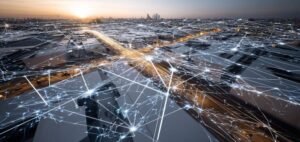
Smart city technology is one of the most significant elements of urban growth in the GCC. The primary goal of smart cities is to use data, AI, and IoT for better urban management, to provide more efficient services, and to save resources. Thus, Dubai’s Smart City Program combines physical and digital infrastructure, e-government platforms, AI-traffic management, and self-service public facilities to make the city more efficient, eco-friendly, and livable. Similarly, the NEOM project of Saudi Arabia is an excellent illustration of the resolve to create a pure energy-powered, clean urban area with eco-friendly transport solutions that is fully digitized.
Later on, the use of technology by the planners of the city has made it possible to have predictive analytics, real-time monitoring, and proactive decision-making, thus, improving the city’s resilience in general. Smart sensors keep track of air quality, water usage, energy consumption, and traffic congestion, and at the same time, data-driven planning ensures that urban growth is in line with environmental, economic, and social objectives. The technological interventions are operationally effective and also create an environment that is appealing to investment, talent, and innovation. As cities in the GCC are still on the path of digital transformation, the interaction between technology, urban design, and smart governance will be the main feature of the future metropolitan life.
Sustainable Urban Design
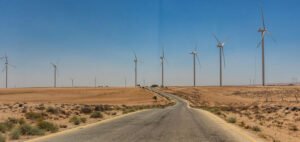
Sustainability has been a major focus of urban development in the GCC for some time now. A series of factors including climate change, dwindling natural resources, and the negative effects of urban sprawl on the environment are increasingly becoming matters of concern to the respective governments, hence, they are adopting policies that encourage renewable energy, green buildings, and use of low carbon vehicles. Abu Dhabi, for instance, through Masdar City, is leading the way in sustainable urban development that includes solar power, energy-efficient buildings, water-saving measures, and layouts that encourage walking. Saudi Arabia laid out specific long-term environmental goals for its major cities such as Riyadh, Jeddah, and Dammam with emphases on lowering emissions, increasing green areas, and implementing climate-resilient urban planning.
Urban planners in the GCC have been more inclined towards mixed-use developments that combine residential, commercial, and recreational areas thereby lessening the need for long-distance travel and increasing the interaction among the community members. Green corridors, parks, and public transport networks are being established not only for the convenience of the people but also for their health and also for the revival of the natural world. By positioning sustainability at the heart of urban planning, the GCC reveals that economic growth, social wellbeing, and environmental friendliness are possible to be in harmony with each other even in fast-growing cities.
Next-Gen Urban Transit
The enhancement of infrastructure is one of the major factors that contribute to the successful urban innovation in the GCC. Governments are spending large amounts of money to improve and modernize transportation networks, advanced logistics, and multi-modal transit systems, thus ensuring connectivity and efficiency. With the help of such projects as high-speed rail, metro expansions, and smart roadways, the mobility landscape is changing, traffic is being reduced and economic activity is facilitated. For instance, the Doha Metro in Qatar and the Dubai autonomous transit trials are some of the ways through which GCC cities are reshaping urban mobility to suit the needs of a 21st-century urban population.
However, infrastructure innovation is not limited to transportation alone, it also covers next-generation water management, waste treatment, and energy distribution systems. Cities in the desert regions are exposed to very specific environmental problems, and the governments of the GCC are using the most advanced engineering solutions to secure reliable access to basic resources. As an illustration, solar-powered desalination plants, energy-efficient district cooling systems, and smart grids are becoming the essential parts of the urban infrastructure. By interconnecting these systems, the cities in the GCC are not only improving their resilience, but also, they are building urban areas which are environmentally friendly, technologically advanced, and economically viable in the long run.
Conclusion
The GCC region continues to lead the way in urban development that is not only innovative but also highly influenced by the integration of technology, sustainability, upgraded infrastructure, and progressive governance. The integration of smart city projects, and advanced mobility solutions are revitalizing cities, making them attractive to live in and accessible to all; therefore, they can meet the ever-changing requirements of residents, businesses, and investors. By investing in such futuristic urban models, the region is setting a standard for global urban planning, proving that rapid growth can still be in line with environmental care, the well-being of society, and economic stability. The transformation of the urban landscape in the GCC is likely to become a source of inspiration for the development of metropolitan areas worldwide, thus, offering detailed guidance for cities that want to be resilient, sustainable, and technologically integrated.