

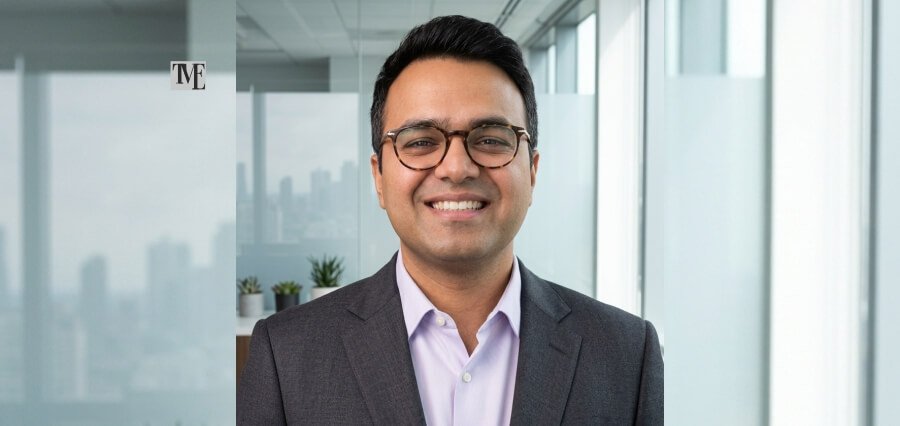
The future of artificial intelligence will not just depend on its algorithms. It will depend on the trust created by these algorithms, on the sense of responsibility they embody, and the confidence they have earned. Few technology executives understand this better than Dr. Sukrit Kalia. For more than 18 years, he has evolved from developing cutting-edge software and machine learning solutions to shaping the principles that guide responsible artificial intelligence. His career has clearly been driven by the conviction that innovation is about more than performance; it is also about the confidence inspired in business, regulatory, and public audiences.
As a Subject Matter Expert and Chief AI Architect, Dr. Sukrit Kalia has been instrumental in designing and deploying agentic AI solutions within the world’s most heavily regulated industry. In addition, he has also been advising a tech company in its efforts related to AI strategy, thus bridging technology prowess and strategic thinking in one package. Whether in either role, Dr. Sukrit Kalia follows the same disciplined approach by integrating governance, explainability, and business value into AI systems from the outset.
Engineering Responsible AI
Dr. Sukrit’s journey into artificial intelligence began long before he focused on governance frameworks and boardroom strategy. He started his career in software development and machine learning architecture. A consulting engagement with a leading European financial institution changed his perspective on AI. The experience exposed him to a challenge that few engineers encounter directly. He realized there was a significant difference between a model that performs well in a laboratory and a system that an enterprise can trust in a production environment. He describes this realization as the moment that permanently changed his approach to artificial intelligence.
Early in his career, Dr. Sukrit Kalia says the primary challenge was building accurate AI models. Today, as he leads AI architecture for a Gulf telecommunications operator, his focus has shifted to deploying agentic AI systems that are reliable, explainable, and capable of meeting the requirements of a highly regulated industry. This transition naturally led him toward AI governance. However, he does not view governance as a compliance exercise. Instead, he sees it as a core architectural discipline that enables organizations to build trustworthy AI systems.
Leading Through Technical Excellence
Dr. Sukrit Kalia continues to write his frameworks himself instead of delegating technical decisions to others. He stays closely involved with the engineering process and understands the difference between a demonstration that impresses an audience and a system that performs reliably in production. He believes this hands-on approach strengthens his credibility and builds trust with the teams he leads.
This mindset also shapes how he balances innovation with leadership. Dr. Sukrit Kalia believes that innovation must deliver measurable business outcomes. Without clear results, it remains only an experiment. He sees his role as connecting research with real business needs. He transforms promising ideas into practical solutions that organizations can rely on. At the same time, he ensures that his teams understand not only how AI systems work but also why they are being developed.
Learning Beyond Innovation
Dr. Sukrit Kalia believes that keeping pace with the rapidly evolving field of artificial intelligence requires more than following the latest headlines. He approaches continuous learning with discipline and structure. He actively works on large language model fine-tuning, multi-agent architectures, and AI evaluation methodologies to strengthen his technical expertise. He follows a simple principle. If he cannot clearly explain how a technology works, he does not consider it ready for production use.
Keeping up with new developments is only part of the responsibility. Equally important is the ability to separate meaningful innovation from short-lived trends. In a regulated industry, he evaluates every new capability using a consistent set of questions. Can it be governed effectively? Can its decisions be explained? Can it withstand rigorous scrutiny? These principles guide his approach to building AI systems that are reliable, transparent, and ready for real-world deployment.
Leading with Clarity
Dr. Sukrit Kalia follows a clear set of guiding principles when working in uncertain and fast-changing environments. Instead of trying to predict every outcome, he makes decisions based on the best available evidence. He designs projects with flexibility by building checkpoints and evaluation stages that allow teams to adjust their approach if early assumptions prove to be incorrect. This method reduces risk and helps initiatives remain on track.
He also believes in being transparent with his team about what is known and what is based on informed judgment. He views governance and speed as complementary rather than conflicting. He encourages rapid evaluation and experimentation while ensuring that decisions affecting production systems or customer trust are made with care and discipline. This balanced approach enables organizations to innovate responsibly while maintaining reliability and accountability.
A Defining Moment
A defining moment in Dr. Sukrit’s career was not a successful product launch but a valuable learning experience. Early in his transition from AI architecture to leadership, he witnessed a technically strong AI system struggle because governance had not been given enough attention. The technology performed well in the laboratory, but the organization lacked the trust, explainability, and evaluation framework needed to support its use in a real business environment.
This experience transformed his approach to designing AI systems. It reinforced the importance of building governance alongside technology rather than treating it as a later step. The lesson inspired him to develop the TM Forum Agentic AI Governance Framework whitepaper, which provides organizations with a structured approach to building trustworthy, explainable, and production-ready AI systems.
Building Multidisciplinary Teams
Dr. Sukrit Kalia believes that building successful multidisciplinary teams begins with creating a shared understanding of success. He recognizes that different disciplines often have different definitions of when a task is complete. To address this, he establishes a common language and a clear evaluation framework that everyone can use. This approach encourages constructive discussions and allows team members to challenge ideas without creating unnecessary conflict.
Creativity thrives in an environment of psychological safety. During the early stages of a project, he encourages open exploration and welcomes unconventional ideas. Once the team agrees on a direction, he shifts the focus to accountability. Every team member, including himself, takes clear ownership of their responsibilities. This balanced approach promotes innovation while ensuring disciplined execution.
Embedding Responsible AI
Dr. Sukrit Kalia believes that responsibility for ethical AI begins with technology leadership. He does not see it as the sole responsibility of a legal team, an ethics committee, or a pre launch review. Instead, he emphasizes that leaders who define the technical direction must also take ownership of how AI systems behave. In his view, governance should be built into the design process from the very beginning rather than added at the end.
He also sees technology leaders as the link between technical expertise, business objectives, and regulatory requirements. They must clearly communicate what an AI system can achieve and where its limitations lie. At the same time, they must lead by example. Teams are guided by the actions and priorities of their leaders more than by written values. By embedding responsible AI into everyday decisions, leaders can build a culture of accountability, trust, and transparency.
Advice for the Next Generation
Dr. Sukrit Kalia advises aspiring AI leaders to build strong technical expertise before pursuing leadership roles. He has seen talented professionals move into leadership too quickly and struggle to make informed decisions because they were no longer closely connected to the underlying technology. He encourages professionals to develop a deep understanding of AI systems so they can confidently support their technical decisions.
He also recommends learning about AI governance and ethics early in their careers. In his view, these areas are essential to building reliable and responsible AI systems and should not be treated as separate specializations. He encourages professionals to take on complex and unresolved problems because these experiences develop sound judgment and practical leadership skills.
Finally, he emphasizes the importance of communicating technical concepts clearly to business leaders, regulators, and colleagues from different disciplines. This ability helps bridge the gap between technology and real-world decision-making.
Building a Lasting Legacy
Dr. Sukrit Kalia believes that a lasting legacy is measured not by what an individual builds but by what continues to succeed after they move on. As a leader, he aims to develop teams that can perform with confidence and independence because they have the right frameworks, standards, and judgment to guide their decisions.
As an innovator, he is passionate about championing an approach that embeds governance into the design of agentic AI systems from the outset. As a mentor, he encourages future leaders to remain technically strong as they advance in their careers. He also emphasizes treating ethics as an essential part of system architecture rather than an afterthought. Above all, he encourages professionals to take on complex and unresolved challenges, where sound judgment, practical experience, and strong leadership are developed.