

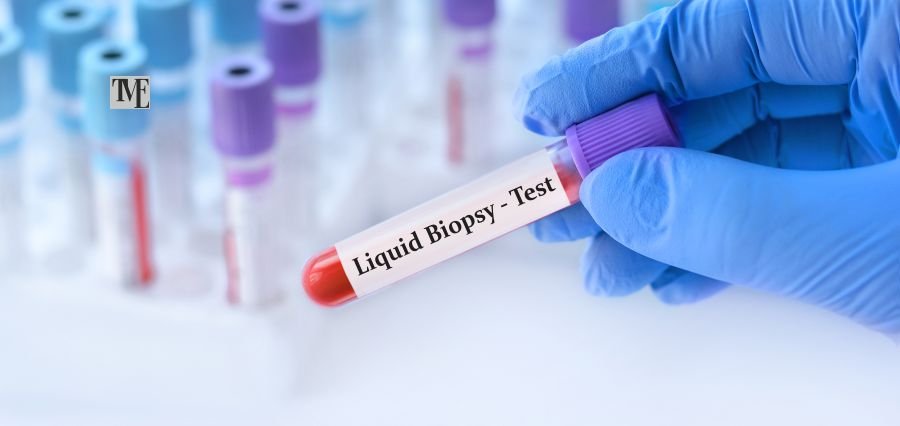
Liquid biopsy technologies provide a new method for diagnosing cancer because they decrease the requirement for invasive tests that come with standard tissue biopsy procedures. The methods of this study aim to detect and study tumor material which exists in body fluids especially blood through two specific pathways: circulating tumor DNA and extracellular vesicles. Liquid biopsies provide doctors with a system to track tumor changes as they occur while also enabling them to create personalized treatment approaches for precision oncology. They allow multiple tests to be conducted with low danger to patients while traditional biopsies need operations that may not show all tumor types. The system proves useful for three purposes which include monitoring how the disease develops and determining the presence of remaining cancer cells and discovering new resistance patterns. The combination of fast genomic sequencing improvements and advanced molecular diagnostic capabilities enables liquid biopsy systems to shift from research applications into validated clinical tools which revolutionize cancer treatment across different tumor types.
Early Detection
The most valuable use of liquid biopsy technology exists in its ability to detect cancer during its initial developmental stage. Early cancer detection increases a patient’s chances of survival yet most cancers remain undetected until symptoms develop which indicates that the illness has progressed to a more severe condition. Liquid biopsies enable the detection of tumor-specific biomarkers in people who do not have any symptoms, which allows for the development of screening tests that require fewer invasive procedures and provide easier access to testing. The tests detect cancer by analyzing circulating tumor DNA, identifying genetic mutations and methylation patterns before imaging or clinical symptoms reveal the disease.
The development of multi-cancer detection tests is a major focus within this domain. The assays operate by detecting signals which originate from various cancer types through a single blood sample, thus improving their ability to screen entire populations. The current research along with clinical trials that involve extensive testing will enhance performance metrics although the process needs to overcome difficulties by achieving accurate detection of early-stage tumors which have minimal biomarker presence. Liquid biopsy-based screening will become a fundamental element of preventive oncology because regulatory systems develop and validation outcomes continue to be collected.
Precision Treatment
Liquid biopsies are becoming essential tools for treatment selection in precision oncology. Clinicians use blood tests to analyze tumor genetic material which allows them to find treatable mutations and choose the most effective targeted therapies for each patient. The method enables complete tumor analysis through non-invasive blood tests which detect all tumor variations including different subclones that have distinct treatment responses.
Liquid biopsies provide doctors with two main benefits because they allow doctors to track how patients respond to treatment while also identifying when resistance occurs. Cancer cells develop new mutations which lead to drug resistance as they experience treatment. This enables doctors to monitor treatment changes in almost real time, which helps them modify patient treatment plans before actual disease progression becomes visible. The dynamic approach to cancer treatment improves treatment results while reducing patient exposure to nonworking therapies which results in better health outcomes.
Clinical Integration
The integration of liquid biopsy technologies into clinical practice currently progresses at an accelerated pace because of technological advancements, regulatory approvals and increasing clinical evidence. The healthcare systems that adopt these tools use them to monitor advanced cancers, detect minimal residual disease and select targeted therapy. The system proves ideal for long-term patient monitoring because it enables multiple assessments while keeping patient comfort intact. The process of standardizing testing methods and handling complex genomic data and managing expenses needs to be solved before broad adoption of the system can happen.
Building trust between medical professionals and their patients requires organizations to prove their ability to test analytical validity and clinical effectiveness in various patient groups. Research scientists and medical practitioners need to work with government authorities and business partners need to create standard operating procedures for their operations. Liquid biopsy technologies will become essential for complete cancer treatment because they will enable doctors to detect cancer earlier and provide more accurate treatments which will lead to better patient results.
Conclusion
Liquid biopsy technologies bring about a revolutionary change in oncology because they establish essential pathways to detect cancer early and deliver targeted treatments while observing disease progression. The technology functions as an advanced medical solution, which uses its non-invasive design to provide healthcare professionals with immediate access to essential molecular data. Scientific progress continues to improve their accuracy while extending their usage across different medical fields, which leads these technologies to become vital parts of present-day cancer treatment systems. The medical field will require substantial proof of performance, reasonable costs and international availability to enable the ongoing use of liquid biopsies in typical clinical procedures. Research institutions and healthcare providers and policymakers must work together to establish better partnerships, which will help them solve current problems and achieve fair distribution of resources.