What once stayed close to home now reaches far beyond borders. Driven by change, not just oil, businesses across Arab nations are stepping onto the world stage. A different kind of energy powers growth today – one built on vision, not only wealth. In places like Dubai, smart systems shape new industries from scratch. Riyadh rises with massive developments that reshape skylines and expectations at once. Doha and Manama strengthen their role through finance, pulling global players closer each year. This shift didn’t appear overnight; it grew quietly beneath decades of quiet preparation. The blueprint for progress now includes innovation, long-term planning, sometimes risk. Old models fade while fresh structures take root in real time. Growth spreads not by chance but through focused effort stretched over years.
One reason this stage stands out? A shared direction shaping decisions across nations. Public leaders teaming up with companies to build systems that last, driven by fresh ideas instead of old models. Not focused on roads alone – or income from fossil fuels today. Shifting toward starting new ventures, upgrading how things work through tech, linking globally, while strengthening economies for what comes years ahead.
Arab economies expand beyond oil with new industries rising
Oil once ruled the economy here. Today, fresh paths open beyond fossil fuels. Across Gulf nations and nearby areas, new focus grows in travel hubs and shipping networks. Machines learn local patterns while money moves through digital channels. Factories rise where sand stood before. Energy shifts form, catching sun and wind instead of burning fuel. Nations build these changes into everyday life slowly but steadily.
Take Saudi Arabia’s plan for 2030 – it pushes growth in fun, travel, and digital tools instead of just relying on oil money. On top of that, the UAE built a name as a hotspot where new companies meet big businesses from everywhere. Meanwhile, Egypt works harder on factories and roads to boost how things get made and moved. Qatar, though, keeps stretching its reach by putting cash into assets far beyond its borders.
Out of fresh paths comes stronger business growth across Arab nations – new earnings open up when energy isn’t the only game in town. Money from abroad flows easier where variety exists, not just tradition. Young people find work more often when tech, tourism, and trade all grow at once. When one industry stumbles, others hold steady – the whole system bends without breaking. Relying on many sectors keeps shocks from faraway markets less dangerous. Stability grows quietly behind the scenes, built piece by piece through wider efforts.
Technology and innovation drive business growth in Arab economies
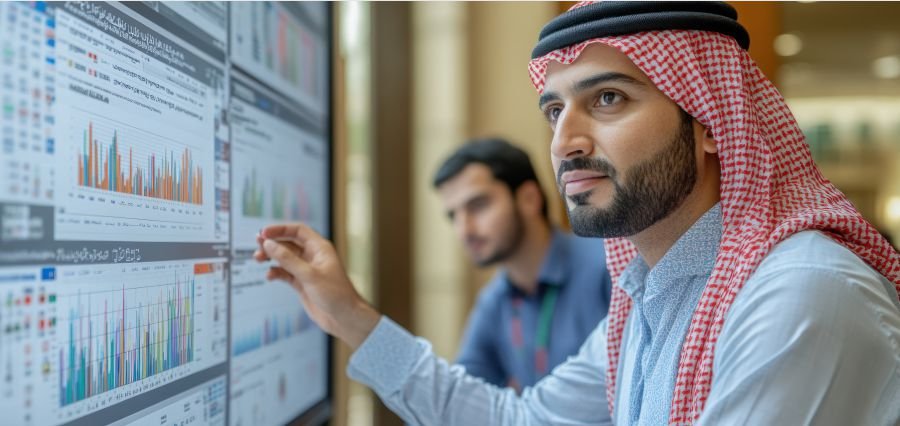
Now driving faster growth across Arab economies, technology takes center stage. With surprising speed, nations here adopt digital tools into daily operations. Not just buildings but entire urban networks think smarter through connected systems. Governance finds new rhythm using artificial intelligence behind the scenes. Blockchains quietly weave trust into financial exchanges. Fintech leaps forward, changing how money moves between people and companies. How things work now feels different – more responsive, more precise.
Nowhere is ambition more visible than in Dubai’s digital urban plans. Beyond symbols, these projects pull in global investors. Tech giants arrive because opportunity knocks loudly here. Talent follows where innovation takes root. E-commerce grows fast, while money flows into new financial tools. Health startups rise alongside learning platforms built for tomorrow.
Fueled by digital wallets, web storefronts, then shared online tools, smaller companies find new footing. Across Arab nations, business founders reach customers nearby or far, sidestepping costly setups. Open doors like these quietly keep momentum alive in local economies.
Now more than ever, public support shows up in labs where ideas get room to grow. Rules ease up so new ventures can test what works. Because of this shift, making tech becomes just as common as using it across the area.
Investment Infrastructure and Global Partnerships Drive Arab Business Growth
Fueled by massive spending on infrastructure, business across Arab nations keeps expanding. Sitting where Europe meets Asia and Africa, the region turns location into advantage. Instead of just geography, think movement – of goods, people, flights, ships. Modern seaports rise beside new trade routes. Air traffic grows as airlines link distant markets. Financial centers emerge near transport nodes. Partnerships with global players shape how projects take form. Distance shrinks when connections deepen.
Big construction efforts now make shipping goods faster across borders. Because of special economic areas plus laws that help commerce grow, large firms pick this region for their base. Take the UAE one case where companies land first before moving into Africa or the Middle East.
Out there, sovereign wealth funds in the area keep stepping into bigger roles. Through stakes in international firms, tech startups, clean power initiatives, along with major physical assets around the globe, they build wider financial gains plus deeper reach. Looking beyond borders this way feeds growth back home within Arab business circles.
Beyond borders, teamwork on clean energy, climate efforts, and tech advances is growing. With Earth moving toward greener ways, countries in the Arab world pour funds into sunlight power, hydrogen ventures, and eco-friendly tools. Such moves fit worldwide patterns while sparking fresh business paths across local areas.
The Future of Arab Business Expansion
Change shapes fast across Arab economies now. Young minds fill jobs, sparking new ventures through bold thinking. Instead of waiting, training shifts toward tech demands with sharper focus on digital skills. Ambition drives learning paths into tomorrow’s work.
Starting to see more women stepping into company roles, bringing different ways of leading and thinking. Because of rule updates in many places, there’s now room for wider involvement, clearer processes, along with stronger business input. As these systems shift, the economy becomes sharper, better linked beyond borders.
Still, hurdles pop up – uneasy world markets, political friction across borders, constant updates needed in rules. Yet push keeps building behind business growth in Arab nations, showing focus leans more on lasting change instead of quick wins.
Now it’s clear – growth isn’t just happening in pockets but spreading through hubs of innovation across the region. Where once there was reliance on external models, fresh energy fuels homegrown ventures. Connections stretch farther, linking talent to markets beyond borders. A quiet shift took root: ideas spark where routine used to dominate. From small teams in shared offices to collaborations that cross continents, momentum builds without fanfare. This isn’t about catching up. It’s a different path entirely.
Growth in Arab business circles now goes beyond just money. Shaped by long-term thinking, shifts in tradition play a role too. Because fresh ideas keep flowing, roads get better, people gain skills – progress sticks. The future of worldwide commerce might quietly take direction from here. Not merely rising numbers, but deeper changes hold momentum.